
About Support Groups
A Room Where Everyone Gets It
Caring for someone living with dementia can be rewarding, but it can also feel overwhelming at times. Many caregivers find themselves facing new challenges, difficult decisions, and emotions they never expected.
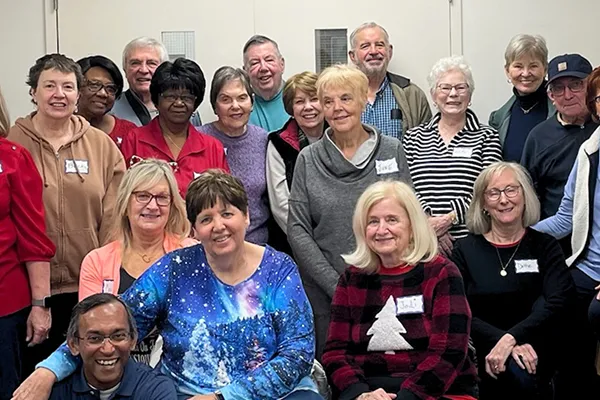
Dementia Alliance of North Carolina support groups offer a place to connect with others who understand the journey. Here, you can share experiences, learn practical caregiving tips, find encouragement, and discover that you are not alone.
Asking for support is not a sign of weakness. It is one of the strongest steps you can take for yourself and the person you care for. Whether you are new to caregiving or have been on this journey for years, our support groups provide a welcoming community where you can learn, connect, and find help at every step.
You can say things in a support group that you can’t say anywhere else, and leave feeling less alone than when you walked in.
What a Support Group Can Do for You
A place to be honest
Real-world strategies from people who’ve been there
A break from being the one in charge
Connection to local resources
Expert education
Find a Support Group Near You
Finding the Right Group for You
Not every group is the same, and that’s a good thing. Here’s what to think about as you look:
- How often does it meet? Some groups meet weekly; others meet monthly or bimonthly. Pick what fits your life, not your ideal.
- In person or online? Both are real options. Virtual groups can be lifelines for rural caregivers or for people who can’t easily leave home.
- What time of day? Morning, afternoon, or evening — think about when you actually have capacity, not just when you’re theoretically free.
- Who’s in the room? Some groups are for all caregivers. Others are specifically spouses only, adult children, early-stage caregivers, younger caregivers or individuals living with dementia.
- What group size? Some people find smaller groups more intimate. Others prefer a larger group where they can listen without pressure to share.
You don’t have to get this perfect on the first try. Many caregivers visit a few different groups before finding their people. That’s completely normal. Keep going.
“Giving caregivers a sense of hope and community is such a powerful gift. So many people join a support group when they are at their wits’ end. Feeling truly understood and finding hope amidst the chaos can be a complete lifeline.”
– Kathy Montero
How to Find a Group
Watch: Care Partners Forum
A recorded session from our Care Partners Forum series.
Watch the full “Care Partners Forum” playlist on YouTube ↗ (opens YouTube in a new tab)
Are You Ready to Lead Your Own Support Group?
As a Dementia Alliance of North Carolina support group leader, you’ll help create those connections in your community. You don’t need to have all the answers. DA-NC provides training, resources, and ongoing support to help you succeed. If you’re passionate about helping others and want to make a meaningful difference for North Carolina families, we invite you to take the next step and explore becoming a support group leader.
Other Ways We Can Help
More programs and services from Dementia Alliance of NC
Dementia Navigation
A helping hand and experienced guidance for when you need it most.
Caregiver Assistance Fund
Financial assistance grants for families facing hardship, including respite funding so that caregivers can take a breath.
Community Workshops
We provide in-person and online education for the public, families, and professional caregivers.
