
Alzheimer’s Disease

The most common cause of dementia, what it is, how it progresses, and what to expect.

What Is Alzheimer’s Disease?

Named after Dr. Alois Alzheimer in 1906, Alzheimer’s disease (AD) slowly affects memory and thinking skills, and it gradually affects the entire brain, making even the simplest tasks impossible. Ranked as the 6th leading cause of death in the U.S., it is thought to be the 5th leading cause of death for people age 65 and older

Three Things to Understand About Alzheimer’s

Early signs most often involve memory, particularly difficulty adding new information.
Symptoms progress over time, eventually affecting language, decision-making, and the ability to manage basic bodily functions.
Progression typically impacts from more complex tasks first and simpler tasks later, though each person’s path is different.

What Causes It?

Scientists believe that for most people, AD is caused by a combination of genetic, lifestyle, and environmental factors that affect the brain over time. The exact cause is unknown.

At its core are problems with brain proteins and chemicals, which, in turn, cause structural problems. The damage most often begins in the region of the brain that controls memory, which is why changes in short-term memory are typically the first thing family and friends notice.

Importantly, scientists now know the underlying process may begin more than a decade before any symptoms appear. By the time a diagnosis is made, the brain has often already undergone significant changes.
How Alzheimer’s Progresses

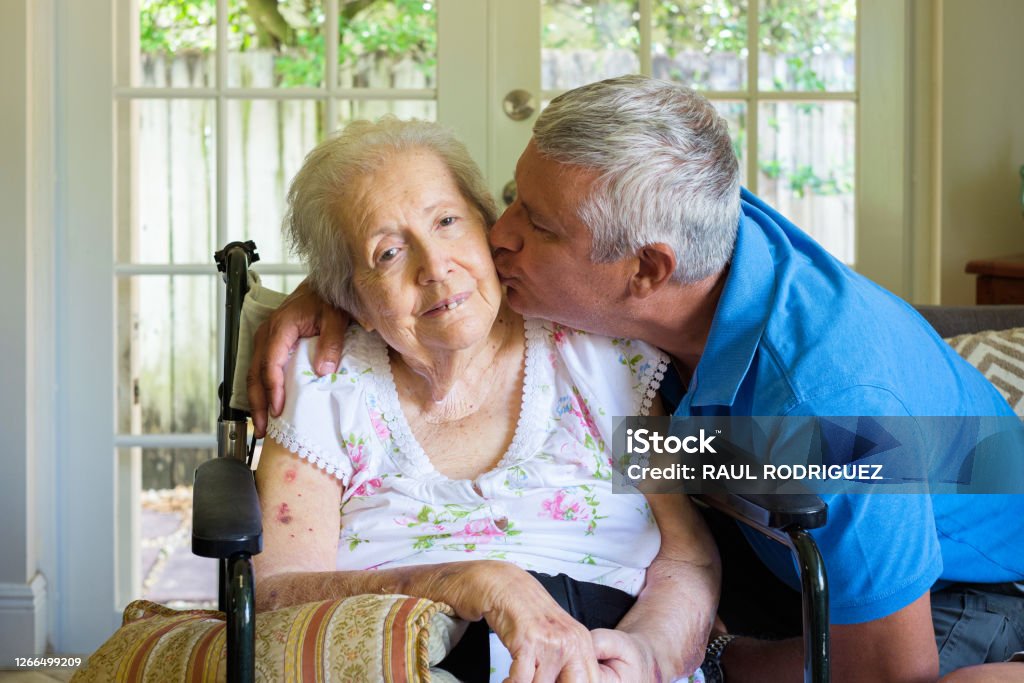
While the loss spreads in a somewhat predictable pattern to other regions of the brain, each person with dementia is different, making progression different. Generally, Alzheimer’s progresses from changes in more complex abilities, such as managing finances, planning, or navigating unfamiliar places, to more basic functions over time. In the late stage of the disease, the brain has shrunk significantly due to widespread cell death and the person requires full care.

Who is Affected?

Symptoms of Alzheimer’s most often first appear after age 60, and risk increases significantly with age; the risk for developing Alzheimer’s disease roughly doubles every five years after age 65. It is estimated that over 57 million people worldwide are currently living with Alzheimer’s or another dementia.

People younger than 60 can also develop Alzheimer’s and is referred to as young-onset Alzheimer’s. It is less common, but it carries its own distinct challenges.

Young-Onset Alzheimer’s

When Alzheimer’s is diagnosed in someone under 65, it often comes as a shock unless there is a known genetic predisposition. Symptoms may first appear as problems at work or at home that are difficult to identify as dementia, and the diagnostic process can be lengthy.


Treatment

There is currently no definitive cure for Alzheimer’s disease. However, treatment options have expanded in recent years:

  • Oral medications may help manage cognitive symptoms for some individuals.
  • Newer infusion medications (amyloid beta-directed therapies) can help some patients, particularly earlier in the disease, by slowing the decline in cognitive function.
  • Lifestyle changes, including exercise, diet, sleep, and social engagement, can also have positive impacts on cognitive health.

The possible benefits and risks of any medication should always be discussed thoroughly with your physician. Treatment decisions are personal and depend on the stage of the disease, overall health, and individual goals.

Key Points:

  1. Early signs of AD most often include memory concerns, especially adding new information.
  2. Symptoms typically progress across time and ultimately include all parts of the brain, impacting language, decision-making, ability to manage bodily functions, etc.
  3. Progression often starts with changes in more complex abilities, gradually moving to simpler skills.

Have Questions About an Alzheimer’s Diagnosis?

Our Dementia Navigators can help you understand the diagnosis, explore treatment options, and connect you with the right support in North Carolina.
(919) 832-3732

Talk With Others Who Understand

Dementia support groups bring together people facing the same questions you are. Groups meet in person and online across North Carolina. They are free to attend, and you do not need a referral — you can just come and listen.